
Transit Media
Transit ads deliver a dynamic and versatile out-of-home (OOH) advertising solution that delivers exceptional reach, frequency, and engagement across urban and suburban landscapes where traditional billboards may be restricted.
From the mobile impact of Bus Advertising, like “moving billboards” that navigate cities, neighborhoods, and corridors with scalable formats like tails, kings, ultra super kings, and full wraps—to the eye-level versatility of Street Furniture such as bus shelters and kiosks positioned along busy streets and intersections, and the captive immersion of Subway & Rail Advertising with station dominations, platform media, interior and exterior car wraps, and digital networks, these solutions connect with drivers, pedestrians, and commuters through consistent daily impressions and extended dwell times.
With the ability to blanket entire markets or target specific routes, zip codes, or high-density transit hubs, transit ads enable detailed storytelling, strong calls-to-action, and immersive branding while ensuring cost-effective, high-impact visibility that drives brand awareness, recall, and audience connection in diverse environments.

Bus Advertising
Bus media is one of the most effective reach and frequency formats in out-of-home (OOH)
advertising.
Often described as “moving billboards,” buses travel wherever public transportation goes, providing exposure in areas that are often zoned out for traditional billboards. This makes bus advertising a powerful way to extend a campaign’s reach into cities, neighborhoods, and corridors that static formats cannot access.
Because buses are constantly on the move, they deliver both broad market coverage and the ability to target specific communities through carefully chosen routes. Advertisers can scale campaigns to blanket an entire market or focus more narrowly on selected zip codes and districts.
A wide variety of formats are available, each offering unique levels of visibility and impact:
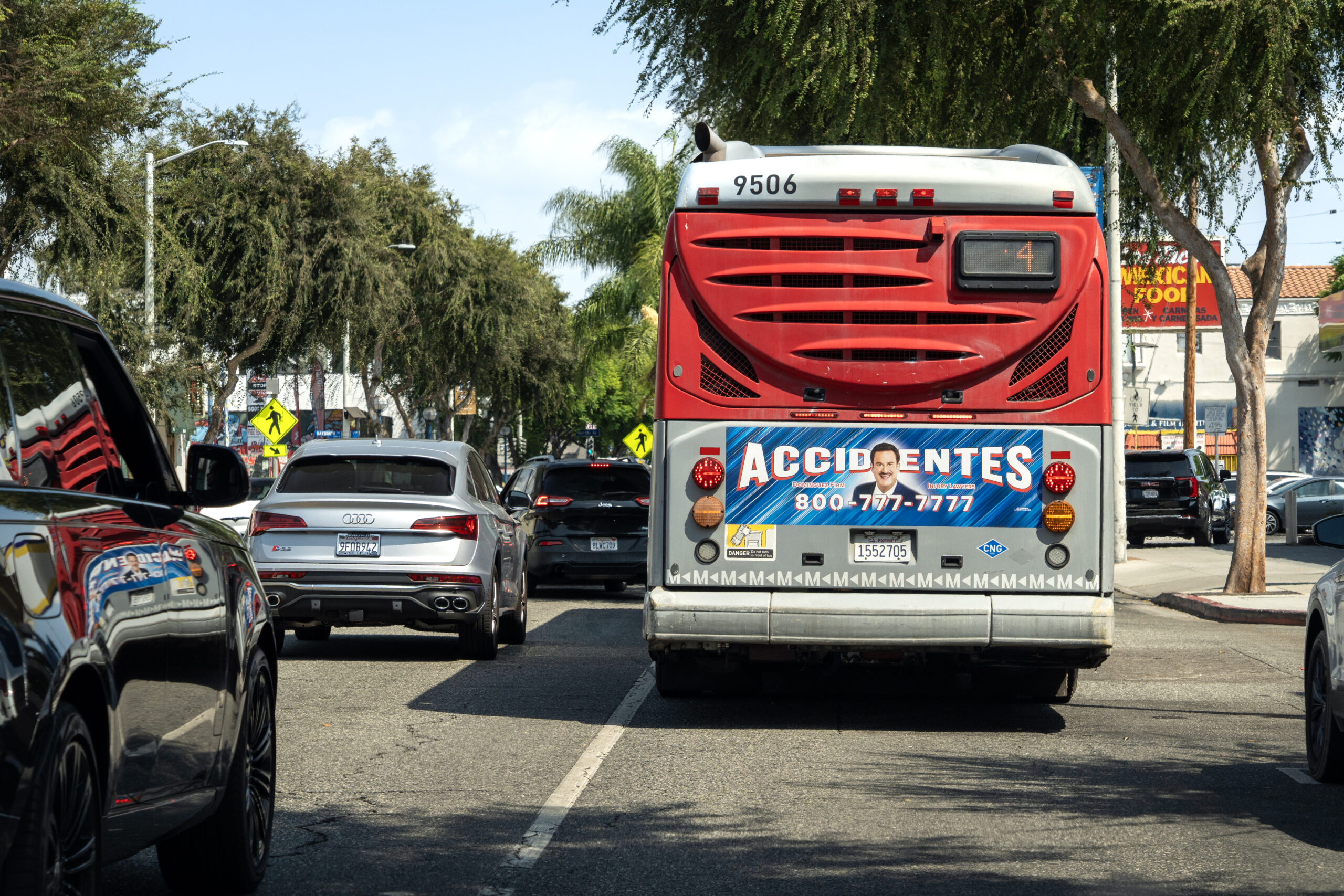
- Bus Tails: Smaller, cost-efficient units placed on the rear of the bus, delivering high frequency to trailing drivers.
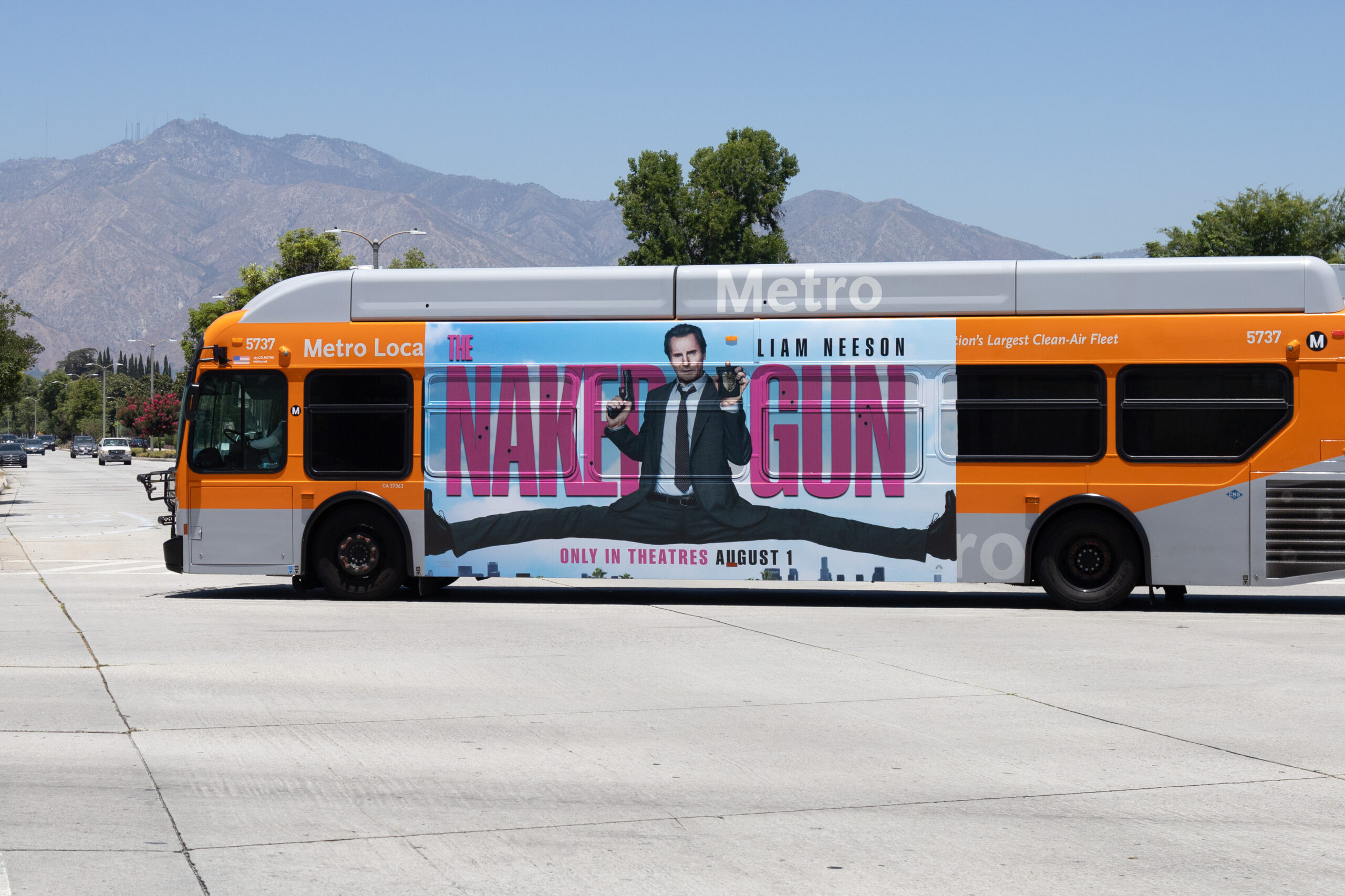
- Bus Kings: The most common and versatile option—long horizontal panels along the
bus side—providing consistent daily impressions. - Ultra Super Kings: Oversized placements that stretch wheel well to wheel well, creating near-billboard scale at street level.
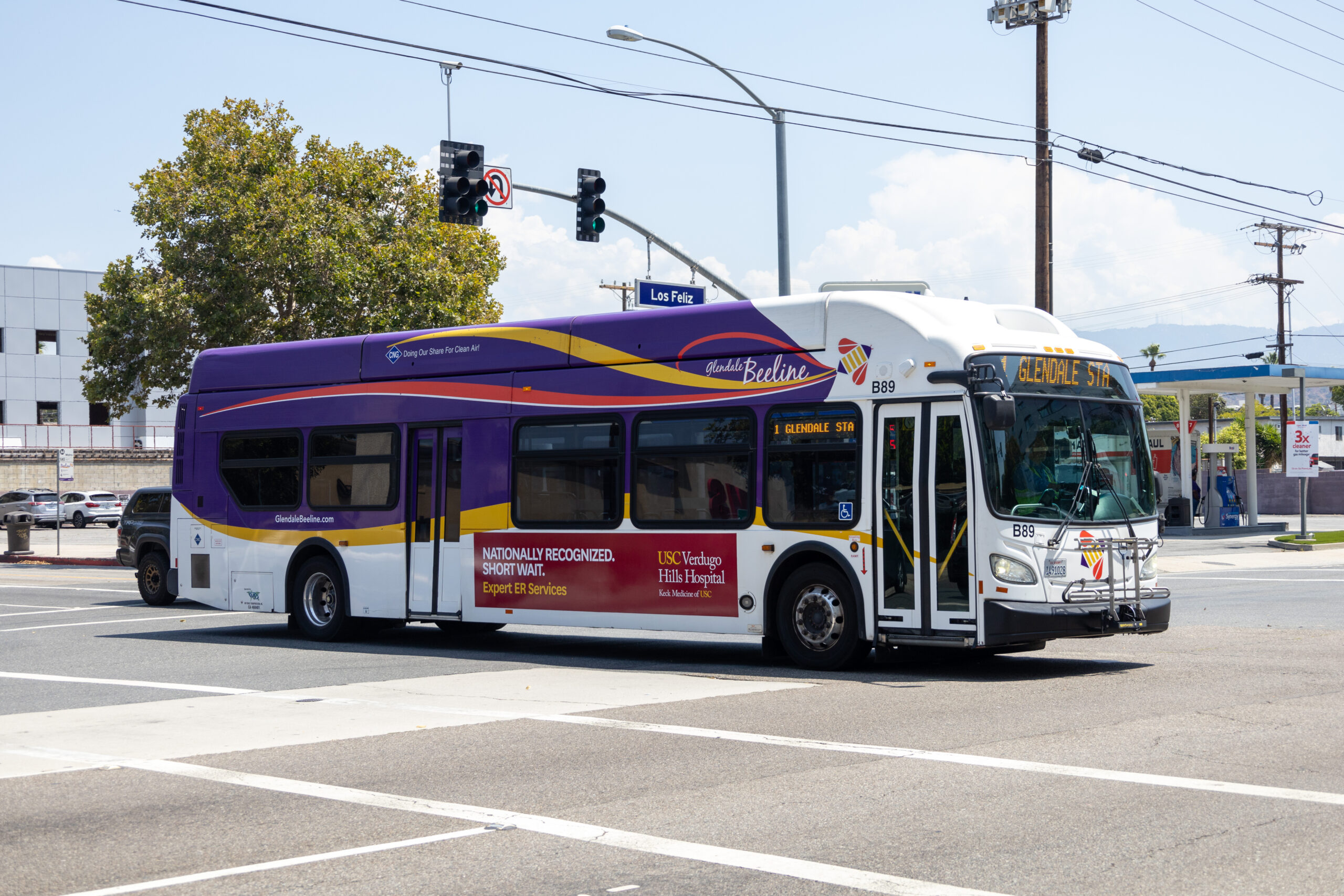
- Full Wraps: Maximum-impact executions covering the entire bus. In some cases, wrapped buses can be placed on specific routes for captive coverage in high-value areas.
It’s important to note that bus advertising is not intended for riders, but rather for the vehicular and pedestrian traffic that surrounds the bus throughout its route. This makes bus advertising an efficient way to achieve mass-market visibility and repeated exposure across diverse audiences.
Extended Market Coverage:
Reaches areas where billboards may not be permitted.
Mobility
Moving placements ensure exposure across different parts of the city.
Scalability:
Flexible options from market-wide saturation to targeted route coverage.
Format Variety:
From cost-efficient units to full wraps for maximum impact.
High Frequency:
Consistent daily exposure to drivers, commuters, and pedestrians.
Street Furniture
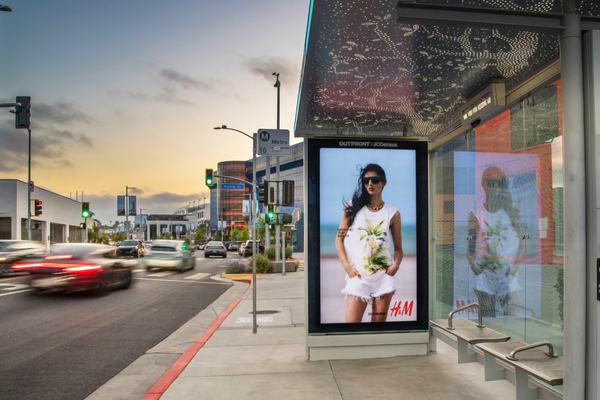
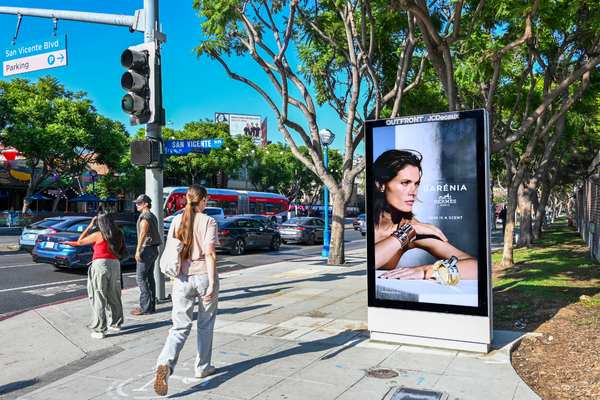
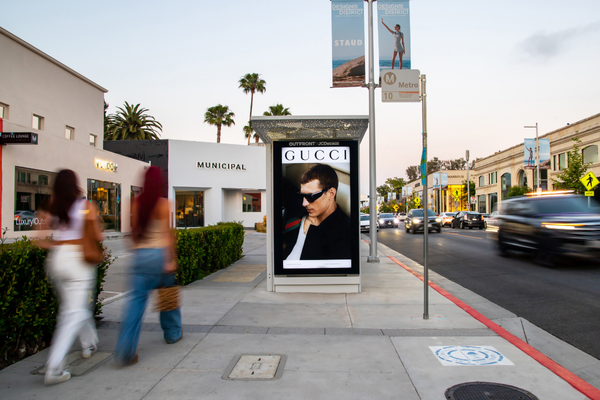
Street Furniture is a versatile reach and frequency format that connects with both vehicular
and pedestrian traffic at eye level.
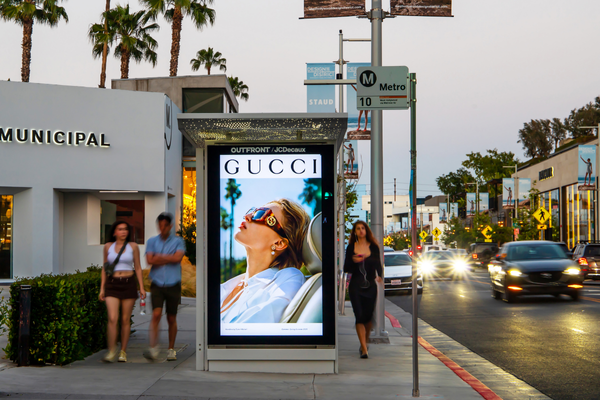
Found in high-traffic urban and suburban environments, these units include bus shelters and kiosks—all strategically positioned along busy streets, sidewalks, and intersections.
Because of their placement at eye level, Street Furniture often allows for more detailed ad copy and creative storytelling compared to larger roadside formats. This makes it possible to highlight multiple products, promotions, or calls-to-action while still delivering mass exposure.
Street Furniture also penetrates deep into communities and commercial districts, reaching audiences in neighborhoods, shopping areas, and business corridors where traditional billboards may not be available. With high frequency and consistent daily impressions, this format is particularly effective for reinforcing brand awareness and driving recall.
Common Units Include:
- Bus Shelters: Large, illuminated panels visible to both drivers and pedestrians at intersections.
- Kiosks: Highly visible in urban centers, reaching commuters and pedestrians in dense environments.
specific zip codes, neighborhoods, or retail trade areas, making them one of the most flexible tools in OOH planning.
Dual Exposure:
Engages both drivers and pedestrians.
Community-Level Reach:
Extends visibility into neighborhoods and shopping districts.
High Frequency:
Consistent, repeated impressions over the course of a campaign.
Eye-Level Impact:
Opportunity for more detailed, creative and stronger calls-to-action.
Flexibility:
Available as market-wide packages or targeted neighborhood buys.
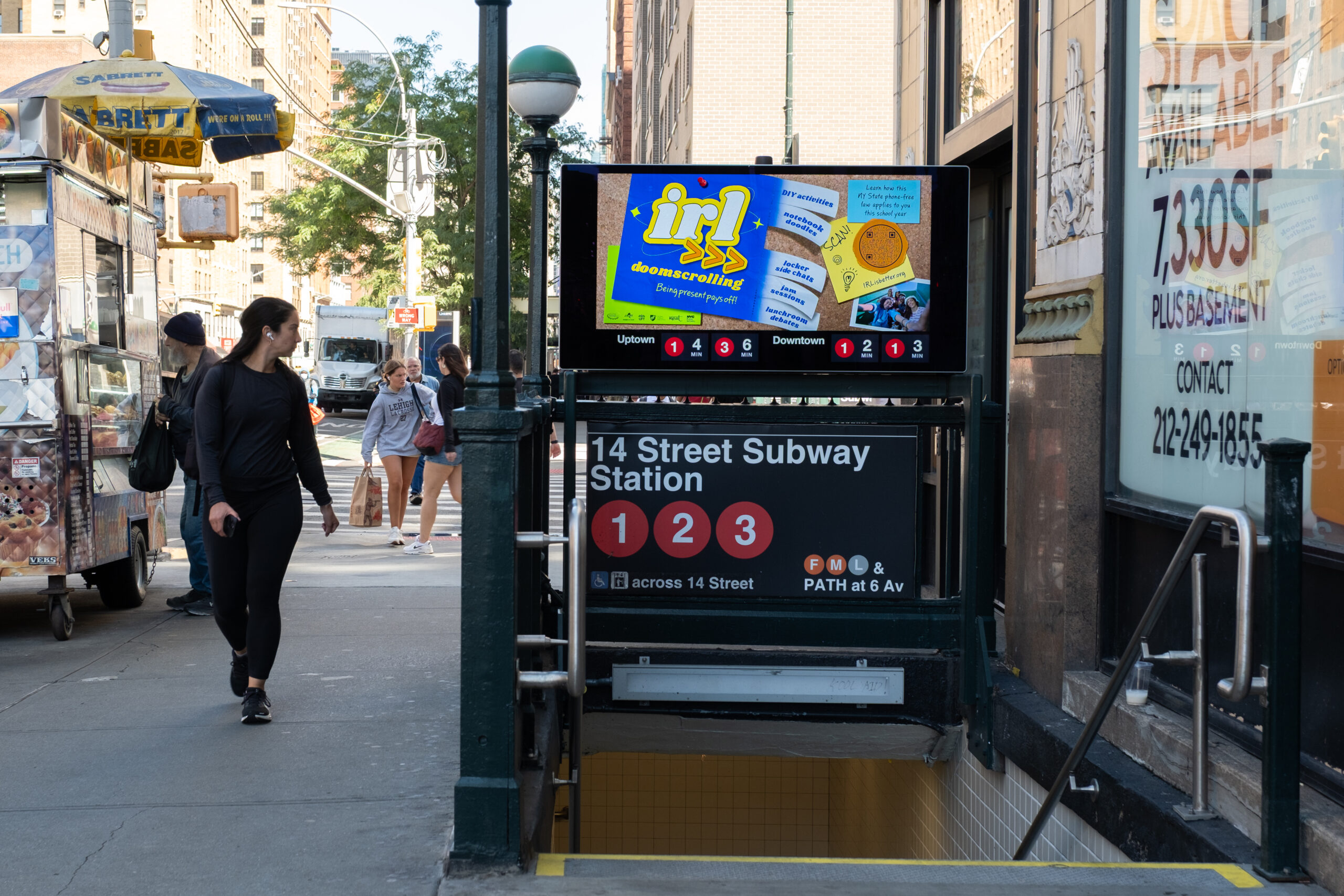
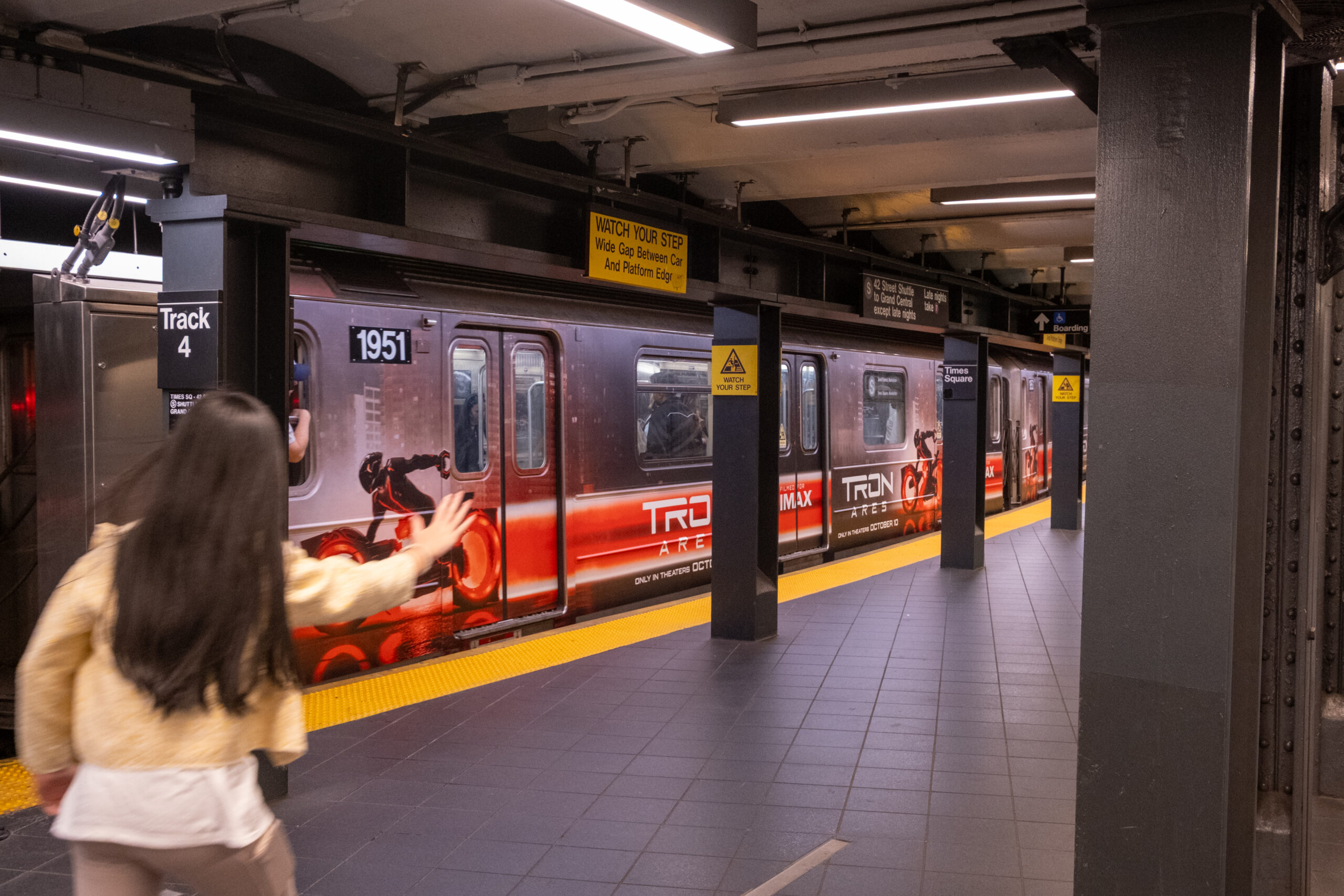
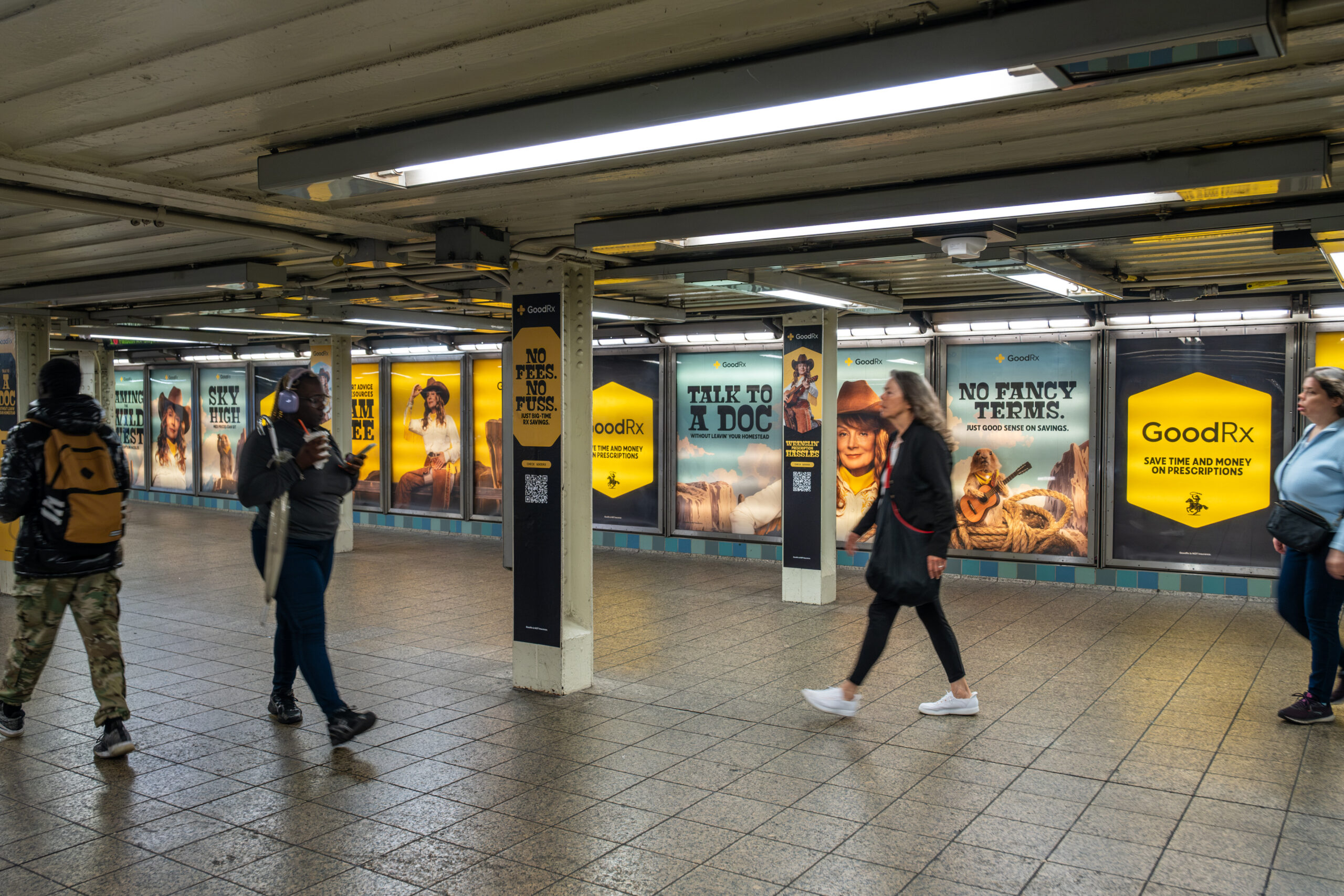
Subway & Rail Advertising
Subway and Rail media provides one of the most immersive and high-impact OOH environments, reaching millions of commuters in major metropolitan areas.
Found both above and below ground, this format connects with riders during their daily journeys—often when they have extended dwell times and fewer distractions.
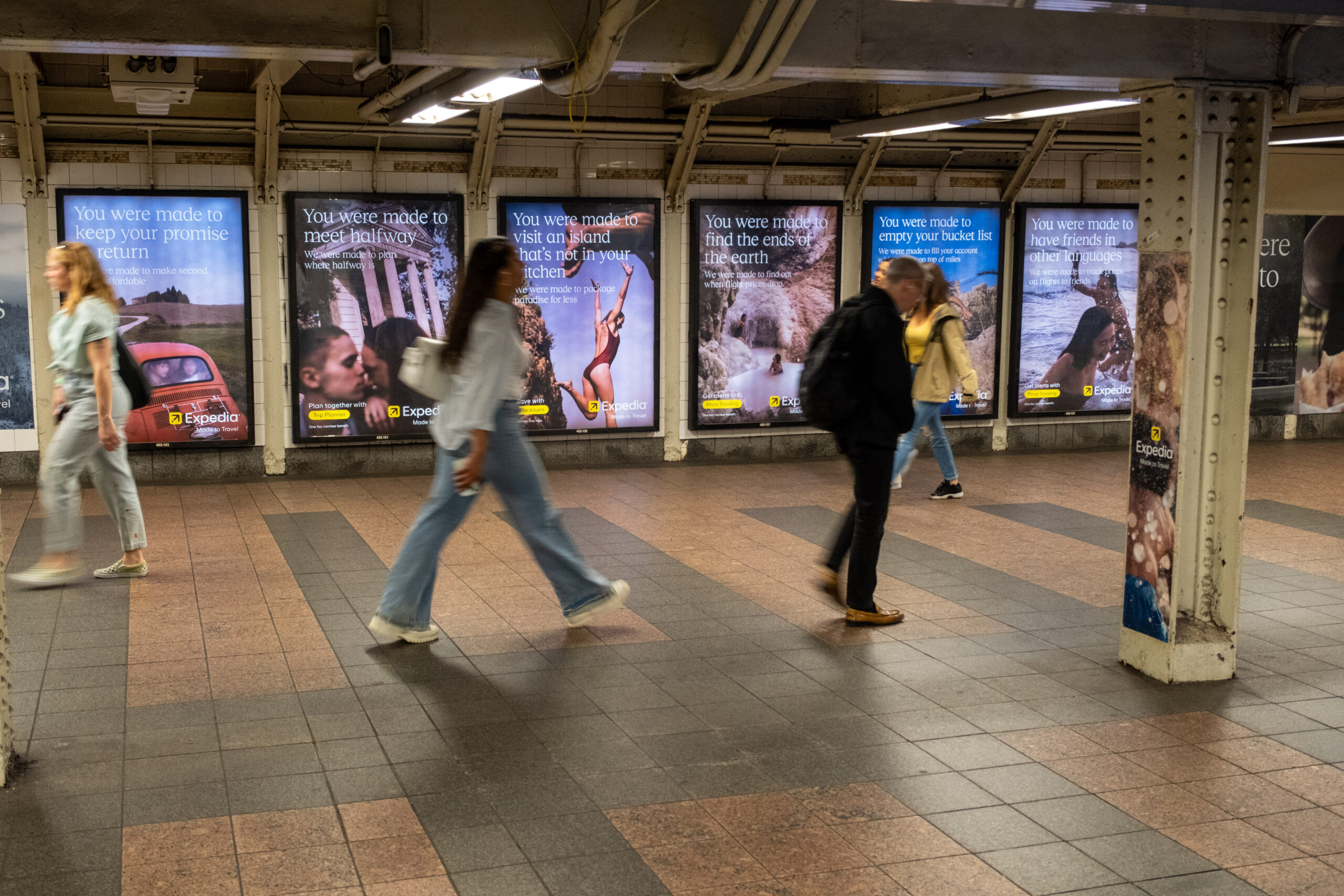
With a mix of static and digital opportunities, advertisers can engage audiences throughout the transit experience, from platforms and concourses to train interiors and exteriors. This creates multiple touchpoints for message reinforcement and storytelling.
Core Opportunities Include:
- Station Dominations: Complete takeovers of a station environment, including wall panels, turnstiles, stairwells, and digital screens, creating an immersive brand experience.
- Platform Media: Large posters and digital displays placed where commuters wait—maximizing dwell time exposure.
- Interior Car Media: Cards, panels, and digital screens inside subway and rail cars, delivering close-range exposure during rides.
- Exterior Car Media: Full or partial train wraps that extend brand presence onto city streets and rail lines, turning vehicles into moving billboards.
- Digital Networks (Liveboards & Screens): High-frequency digital placements that can run dynamic, dayparted, or even programmatic campaigns with real-time flexibility.
Subway and rail advertising is particularly effective because of its ability to reach massive, diverse audiences in high-density markets. In New York alone, the MTA carries millions of riders daily, creating unparalleled scale. The combination of captive dwell times underground and broad visibility above ground ensures campaigns are both impactful and memorable.
Unmatched Scale:
Extended Dwell Times:
messaging.